


Men’s Health & Hormone Optimization Blog
Understanding Testosterone Injection Methods: A Guide to Administration, Absorption, and Optimization


Understanding Testosterone Injection Methods
The administration of testosterone via injection represents the gold standard for testosterone replacement therapy (TRT) due to its reliability, bioavailability, and consistent pharmacokinetics. However, the method of administration is not merely a procedural detail; it is a critical variable influencing hormone stability, patient comfort, and long-term treatment adherence. This guide provides a comprehensive, evidence-based examination of testosterone injection methodologies, moving beyond basic instruction to explore the physiological rationale, comparative advantages, and practical considerations that define optimal protocol design.
The Pharmacological Foundation: Esters and Release Kinetics
Before addressing injection technique, one must first understand the vehicle itself. Pure testosterone is not used in injection; it is esterified to modulate its release rate. This esterification is the primary determinant of injection frequency and stability.
Testosterone Cypionate and Enanthate: These are long-chain esters with release durations requiring injection every 3.5 to 7 days for stable serum levels. Their popularity in clinical settings stems from this manageable frequency and well-documented pharmacokinetic profile. Fluctuations outside this window can lead to peaks (associated with potential side effects like elevated estrogen or hematocrit) and troughs (a return of hypogonadal symptoms).
Testosterone Propionate: A short-chain ester requiring injection every other day or daily to avoid significant peaks and troughs. While it allows for rapid adjustment of protocol, its frequent administration burden makes it less common for standard TRT, though it has utility in specific clinical scenarios.
The selection of ester dictates the injection schedule, which in turn influences the choice of administration method. A protocol requiring twice-weekly injections may favor one method, while a weekly protocol may tolerate another.
Intramuscular (IM) Injection: The Traditional Standard
Intramuscular injection delivers the compound deep into the body of a skeletal muscle, from which it is absorbed into the bloodstream via the muscle's rich vascular network.
Common Injection Sites: The preferred sites are the ventrogluteal (most recommended due to minimal nerve/vessel density), the dorsogluteal (upper outer quadrant of the buttock), and the vastus lateralis (mid-thigh). The deltoid (shoulder) is also used for smaller volume injections.
Needle Specification: IM injections require a needle long enough to traverse subcutaneous tissue and penetrate the muscle fascia. Typically, a 22-25 gauge, 1-1.5 inch needle is used. A larger gauge (lower number) facilitates drawing thick oil-based solutions, while a smaller gauge (higher number, like 25G) is often preferred for the actual injection to reduce discomfort.
Pharmacokinetic Profile: IM injections of testosterone esters create a depot within the muscle tissue. The release is generally steady from this depot, though some studies suggest a more pronounced peak-and-trough pattern compared to more frequent subcutaneous administration, particularly with weekly dosing.
Advantages and Clinical Considerations:
Pros: Well-established history, high bioavailability, suitable for larger injection volumes (e.g., 2-3 mL), and may be preferred for certain oil-based formulations.
Cons: Can be intimidating for self-administration, risk of hitting nerves or blood vessels (mitigated by proper site selection), potential for post-injection pain (PIP) or scar tissue formation with long-term use in the same spot.
Subcutaneous (SubQ) Injection: The Emerging Preferred Method
Subcutaneous injection delivers the compound into the adipose tissue (fat layer) between the skin and the muscle. This method has gained substantial traction in modern TRT practice due to its user-friendliness and favorable pharmacokinetics.
Common Injection Sites: The abdomen (at least two inches from the navel), the gluteal fat, and the thigh fat are all viable sites, offering a large rotational area.
Needle Specification: SubQ injections use a much shorter and finer needle. A 27-30 gauge, 1/2 inch (or 5/16 inch) insulin syringe is standard. The small gauge minimizes pain and tissue trauma, and the short length is ideal for reaching adipose tissue without risking intramuscular injection.
Pharmacokinetic Profile: Emerging research and extensive clinical observation suggest that SubQ administration of testosterone cypionate/enanthate may produce a smoother serum testosterone curve with less pronounced peaks and troughs compared to weekly IM injections. The theory posits a slower, more consistent release from the fat depot, which may contribute to improved symptom control and potentially lower conversion to estrogen (aromatization) due to the absence of sharp peaks.
Advantages and Clinical Considerations:
Pros: Generally less painful and easier for self-administration, reduced risk of hitting critical structures, potentially smoother hormone levels, less scar tissue buildup, uses very low-cost insulin syringes.
Cons: Limited to smaller injection volumes (typically ≤1 mL per site to avoid lumps or sterile abscesses), may cause temporary localized itching or small nodules in some individuals, requires more frequent site rotation.
Comparative Analysis and Protocol Integration
The choice between IM and SubQ is not one of superior versus inferior, but of context and individual response. Key decision factors include:
Patient Comfort and Adherence: A patient terrified of needles is more likely to adhere to a protocol using a 29G SubQ needle than a 1.5-inch IM needle. Adherence is the single greatest predictor of treatment success.
Injection Volume: Higher-volume injections (e.g., >1 mL) may be better suited for IM administration to avoid SubQ tissue irritation.
Individual Pharmacokinetics: Some patients report subjective differences in symptom control or side-effect profiles between methods. Lab work (trough levels, estrogen, hematocrit) monitored 4-6 weeks after a method change provides objective data.
Provider Philosophy and Experience: Clinical practice varies. Many forward-thinking clinics now advocate SubQ as a first-line approach due to its tolerability and potentially superior kinetic profile.
A best practice is to start with the most patient-friendly, least invasive method likely to succeed—often SubQ—and only transition to IM if necessitated by volume, discomfort, or suboptimal lab markers.
Essential Technique and Safety Optimization
Regardless of method, aseptic non-touch technique (ANTT) is paramount to prevent infection.
Site Rotation: Systematically rotate injection sites to prevent lipoatrophy (fat loss) with SubQ or fibrosis/scar tissue with IM.
Z-Track Method (for IM): Pulling the skin taut laterally before insertion can help seal the needle track and prevent medication from leaking back into subcutaneous tissue, reducing irritation.
Aspiration (Debated): Traditional IM technique calls for gently pulling back on the plunger after insertion to check for blood (indicating a vessel). Many modern guidelines, particularly for SubQ and certain IM sites, consider this optional due to the low risk in recommended areas.
Post-Injection Care: Light pressure with gauze, no vigorous rubbing. Monitor for signs of unusual pain, redness, warmth, or systemic reaction.
Conclusion: Precision in Practice
The administration of testosterone is a skill that merges physiological understanding with practical artistry. By moving beyond a one-size-fits-all approach, clinicians and informed patients can tailor the injection method to individual needs, optimizing for stability, comfort, and long-term sustainability. The goal is not merely to elevate a number on a lab report, but to achieve a stable physiological state that resolves symptoms and enhances quality of life. Selecting the appropriate injection methodology—be it the traditional IM route or the modern SubQ approach—is a fundamental step in translating prescription into effective, patient-centered therapy.
Frequently Asked Questions (FAQ)
Q: I've heard SubQ injections cause more estrogen conversion. Is this true?
A: This is a common myth. The opposite may be true. The smoother, less peaky release profile associated with frequent SubQ injections may lead to lower overall aromatization compared to a large, single weekly IM dose that creates a sharp serum peak. Estrogen conversion is dose- and peak-dependent. Consistent levels often promote better balance.
Q: What is the absolute maximum volume for a SubQ injection?
A: While tolerance varies, most clinicians recommend not exceeding 0.5mL to 1.0mL per SubQ injection site. Volumes above this increase the risk of painful lumps, oil leakage, or sterile abscess formation as the oil disperses slowly. Larger doses should be split across multiple sites or days, or administered via IM.
Q: Can I use the same needle to draw and inject the testosterone?
A: It is strongly discouraged. Drawing with a needle blunts its tip by scraping the rubber stopper. Using a blunted needle for injection increases tissue trauma and pain. The standard practice is to use a larger, dedicated drawing needle (e.g., 18-21 gauge) and then switch to a fresh, smaller injection needle.
Q: How deep do I actually need to go for an IM injection?
A: Depth is individual, based on body fat. The needle must pass through the subcutaneous fat layer and penetrate the muscle fascia. For an average male, a 1-inch needle is often sufficient for the deltoid or ventrogluteal. For the glute or thigh on individuals with more adipose tissue, a 1.5-inch needle may be necessary. If in doubt, consult with your healthcare provider to assess your specific anatomy.
Q: What should I do if I see a little blood after removing the needle?
A: A small drop of blood is common and not a cause for alarm. It usually means you nicked a tiny capillary on the way in or out. Apply firm pressure with a clean gauze pad for 60 seconds. Significant, persistent bleeding is very rare with proper technique in recommended sites but would warrant medical attention.
Related Posts
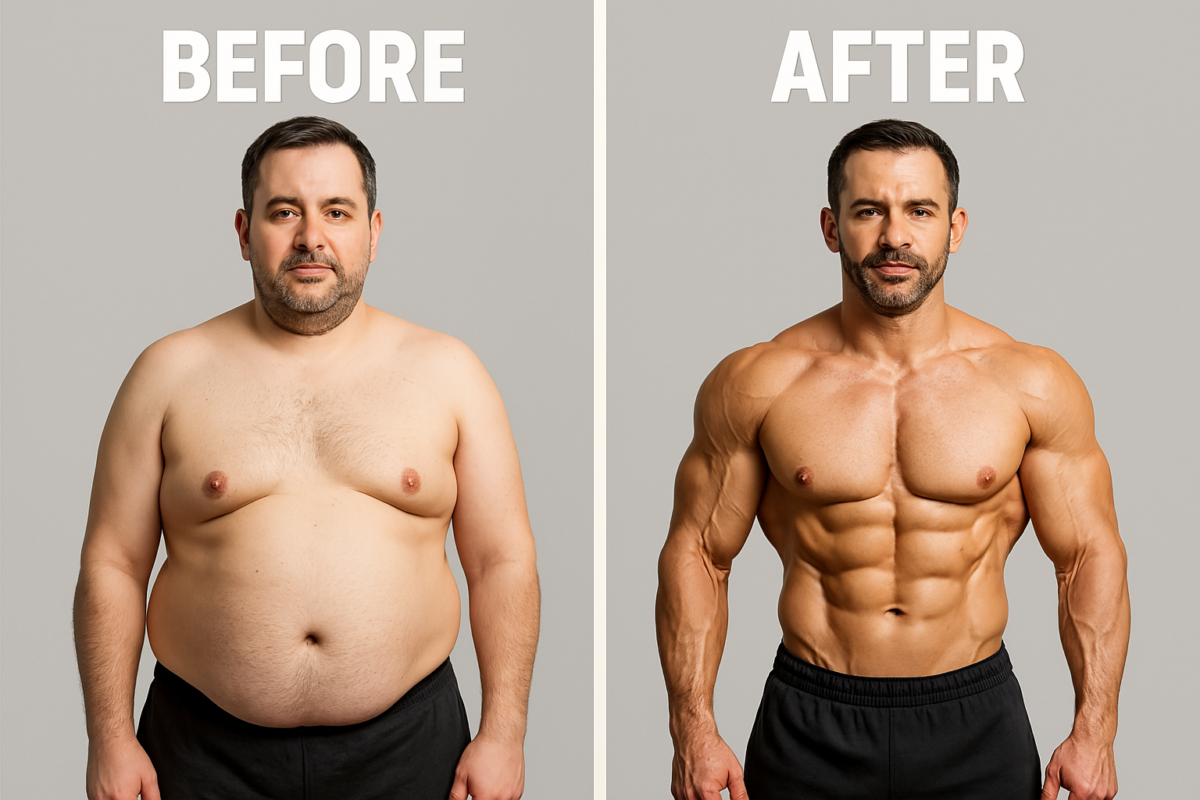
TRT Before and After: A Realistic Look at Transformation, Not Magic
-
Posted by
- 0 comments