


Men’s Health & Hormone Optimization Blog
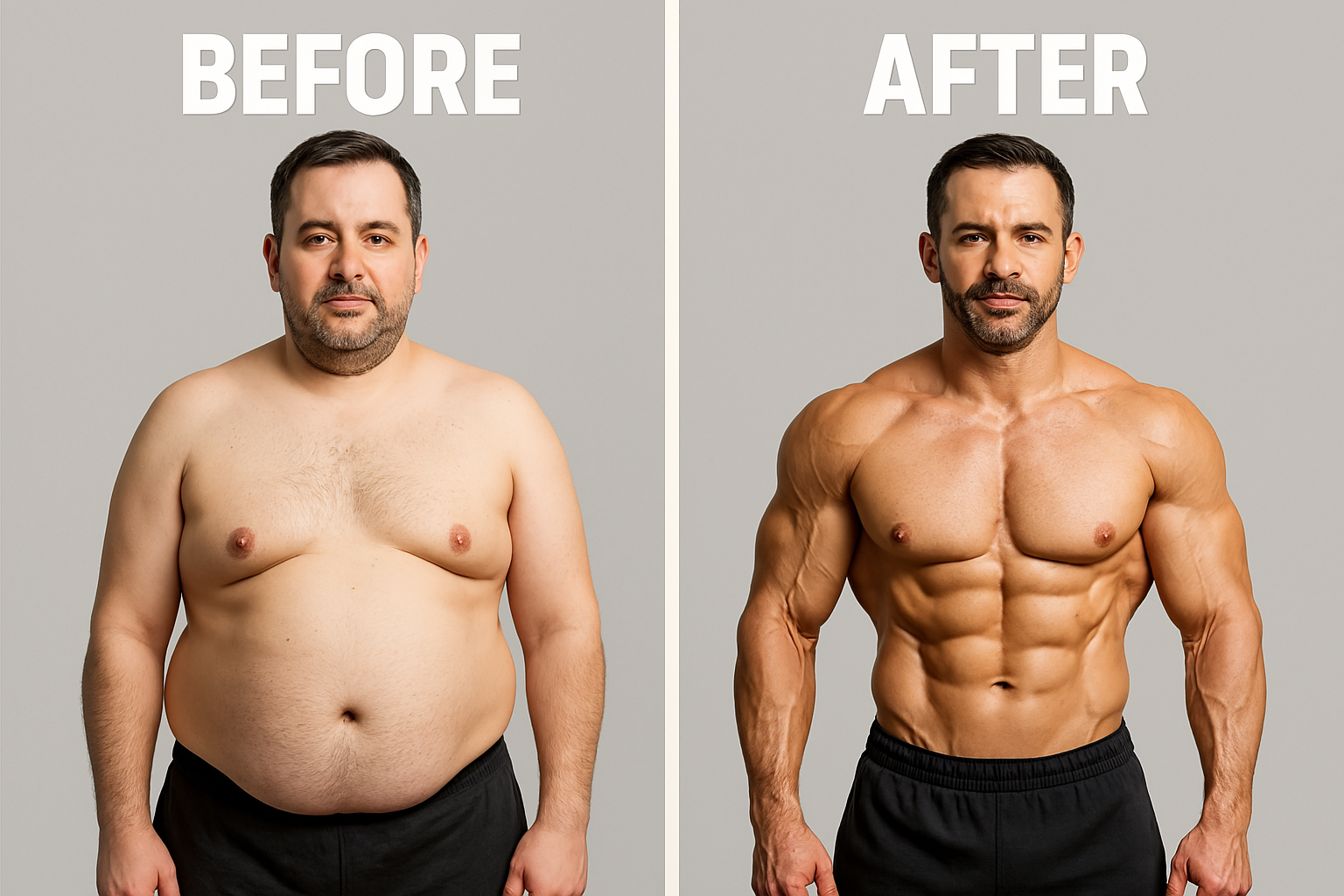
TRT Before and After: A Realistic Look at Transformation, Not Magic

A Clinical Perspective on Pre-Treatment Reality and Post-Treatment Restoration
The narrative surrounding Testosterone Replacement Therapy (TRT) is often clouded by hyperbole and misinformation. Popular media frequently portrays it as a rapid catalyst for dramatic physical metamorphosis. In clinical practice, however, TRT represents a far more nuanced and significant intervention: the physiological and biochemical restoration of a fundamental endocrine axis. This article provides a professional, evidence-based exploration of the legitimate "before and after" states associated with properly diagnosed and managed TRT, delineating the transition from hypogonadal dysfunction to optimized hormonal homeostasis.
The Pre-Treatment State: Understanding Hypogonadal Symptomatology
The "before" state in a legitimate TRT candidacy is not merely a period of suboptimal fitness; it is a clinical condition characterized by a constellation of symptoms stemming from deficient testosterone production. This hypogonadal state manifests across multiple physiological and psychological domains, creating a significant barrier to quality of life and functional capacity.
The Somatic Presentation: A Decline in Physical Vitality
From an endocrine perspective, low testosterone disrupts critical anabolic processes. Patients often present with a pronounced and persistent decline in energy, transcending normal fatigue and presenting as a pervasive lethargy that resists restorative sleep and adequate nutrition. Concurrently, body composition undergoes adverse changes due to a skewed anabolic-catabolic balance. There is a notable increase in adipose tissue accumulation, particularly visceral fat, coupled with a progressive loss of lean muscle mass and strength, even in the presence of resistance training. Furthermore, patients frequently report deteriorating recovery kinetics from exercise or minor injury, alongside a marked diminution of libido and erectile function, which are direct consequences of compromised androgen signaling.
The Neuro-Endocrine Impact: Cognitive and Affective Consequences
The influence of testosterone extends beyond musculoskeletal tissue to central nervous system function. A hypogonadal state is strongly correlated with measurable cognitive deficits, including impaired concentration, reduced memory recall, and difficulty with executive function. The affective domain is equally impacted. Clinically significant symptoms often include unexplained irritability, a pervasive loss of motivation or initiative (anhedonia), and mood disturbances that can mirror dysthymia or depression. This is not a character flaw but a neurochemical consequence of hormone deficiency, where the drive and resilience provided by a healthy endocrine system are absent.
The Functional Outcome: A Comprehensive Life Impact
The aggregate effect of these somatic and psychological symptoms is a measurable decline in overall functional capacity. Social engagement may wane due to low energy and irritability. Occupational performance can plateau or decline due to brain fog and lost drive. Personal relationships often bear the strain of low libido and emotional volatility. The individual is not simply "out of shape"; they are operating in a state of biochemical sub-optimization that undermines their baseline potential across all life domains.
The Post-Treatment Trajectory: Goals of Restoration and Management
Initiating TRT under clinical supervision does not induce a supra-physiological state. Its primary goal is restoration—correcting a deficiency to return the patient to a normal, healthy hormonal range. The "after" is characterized by the resolution of hypogonadal symptoms and the reinstatement of the body's innate capacity to respond to positive lifestyle inputs.
Phase 1: Resolution of Core Deficits (Weeks 1-12)
The initial post-treatment phase focuses on symptomatic relief and systemic normalization. Patients typically report a significant and measurable improvement in energy substrates and mitochondrial efficiency, leading to the alleviation of chronic fatigue. Neurochemical rebalancing often results in the restoration of mental clarity, improved focus, and a stabilization of mood, with reductions in irritability and a gradual return of intrinsic motivation. Early improvements in libido are also common as androgen receptors in neural pathways are properly agonized. This foundational restoration is critical, as it provides the patient with the physical and mental capacity to effectively engage in rehabilitative lifestyle measures.
Phase 2: Physiological Recomposition and Response (Months 3-6+)
With hormonal homeostasis re-established, the body regains its appropriate anabolic sensitivity. It is crucial to emphasize that TRT itself does not build tissue; it restores the endocrine environment necessary for lean mass accrual and metabolic efficiency. When combined with a structured nutrition and exercise regimen, patients will observe a correction in body composition: a reduction in adiposity (particularly visceral fat) and a gain in lean muscle mass, assuming adequate protein intake and mechanical stimulus. Physical recovery between bouts of exercise normalizes, and strength gains become consistent and proportional to training effort. The physique transformation is not automatic; it is the earned result of applied effort within a now-capable physiological system.
Phase 3: Sustainable Optimization and Monitoring (Long-Term)
The responsible "after" state is a commitment to sustained management, not a one-time cure. It involves ongoing, protocol-driven monitoring via regular hematological and biochemical panels to ensure therapeutic levels are maintained and health markers (hematocrit, lipids, PSA) remain within safe parameters. Successful long-term outcomes integrate TRT into a holistic health framework that prioritizes sleep hygiene, stress management, and continued nutritional discipline. The optimal outcome is a sustained elevation in quality of life and functional longevity.
Distinguishing Restoration from Enhancement: A Critical Clinical Boundary
A professional understanding of TRT requires a clear demarcation from anabolic steroid use for performance enhancement. TRT aims for physiological replacement (normal range: ~400-900 ng/dL) to resolve a clinical deficiency. Its "after" is characterized by wellness and normalized function. In contrast, supra-physiological steroid cycling seeks pharmacological enhancement (levels often >1500 ng/dL) for rapid hypertrophy, incurring significant health risks and an unsustainable biochemical rollercoaster. The goals, protocols, and outcomes are fundamentally different.
A Framework for Informed Expectation Management
For the appropriate candidate, a successfully managed TRT protocol facilitates a profound shift from a state of biochemical limitation to one of biological capability. The most meaningful "after" is often the reclamation of vitality, mental sharpness, and the ability to engage fully in life. The physical recomposition is a welcome and expected correlate, but it remains a product of disciplined lifestyle choices made within a now-supportive endocrine environment.
Prospective patients should seek evaluation from a qualified medical professional, undergo comprehensive diagnostic testing, and establish realistic expectations centered on restoration of health, not the pursuit of an unattainable ideal. When applied correctly, TRT is a powerful tool for reclaiming a foundational aspect of male health and enabling a sustainable path toward long-term well-being.
Frequently Asked Questions (FAQ)
Q: What is a clinically realistic timeline for experiencing the benefits of TRT?
A: Benefits manifest in distinct phases. Subjective improvements in energy, sleep quality, and mood are often reported within 4-8 weeks as serum levels stabilize. Measurable changes in body composition and strength require a longer horizon, typically becoming evident after 3-6 months of consistent therapy combined with appropriate diet and exercise. Full physiological optimization is an ongoing process.
Q: Does TRT replace the need for disciplined diet and exercise?
A: Absolutely not. TRT corrects a hormonal deficiency; it does not circumvent the fundamental laws of thermodynamics and tissue adaptation. It creates an internal environment where proper nutrition and progressive resistance training yield efficient and measurable results. The therapy enables progress; it does not generate it autonomously.
Q: How does medically-supervised TRT differ from obtaining testosterone for off-label use?
A: Medical supervision provides a framework of safety and efficacy. It includes: 1) Accurate Diagnosis via comprehensive lab work to confirm hypogonadism, 2) Precise Dosing tailored to individual metabolism and response, 3) Concurrent Health Monitoring (e.g., cardiovascular, hematological, prostate health), and 4) Integration of Ancillary Therapies to manage estrogen or mitigate potential side effects. Off-label use lacks this safeguard, significantly increasing health risks.
Q: Are the cognitive and emotional improvements (e.g., reduced brain fog, better mood) directly attributable to testosterone?
A: Yes, these effects are supported by neuroendocrine research. Testosterone and its metabolites influence neurotransmitter systems, including those for dopamine and serotonin, which regulate motivation, focus, and mood. Correcting a deficiency often leads to direct, measurable improvements in these cognitive and affective domains.
Q: If my primary goal is significant muscle hypertrophy, is TRT the right approach?
A: Not if your testosterone levels are clinically normal. TRT is a treatment for a diagnosed medical condition. If labs show you are eugonadal (within normal range), your training plateau is likely due to programming, nutrition, or recovery issues. Using TRT for hyper-physiological muscle growth in this context is performance enhancement, not replacement therapy, and carries a different risk-benefit profile that falls outside standard medical care.
Related Posts
Understanding Testosterone Injection Methods: A Guide to Administration, Absorption, and Optimization
-
Posted by
- 0 comments